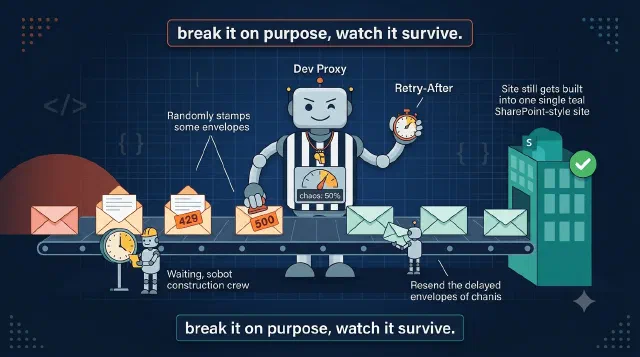
Break Graph on Purpose: Testing Durable Functions Provisioning with Dev Proxy
Learn how to test Durable Functions retry logic, idempotency and failure handling locally by injecting Graph and SharePoint errors with Dev Proxy.
Durable Functions in practice: checkpointing, idempotent activities, deterministic instance IDs, and telling a permanent failure from a transient one.
Durable Functions solved a problem I had been solving badly by hand: work that takes longer than a request, needs to survive a restart, and must not repeat the expensive parts when it resumes.
The posts here are the lessons in the order I learned them. What a durable orchestration actually is, and why a function that sleeps for a week is a reasonable thing to build. Checkpointing, so a retry moves forward rather than starting again. Idempotent activities, because every activity will eventually run twice. Deterministic instance IDs, so two messages about the same site do not start two orchestrations. And telling a permanent failure apart from a transient one before you retry it forty times.
Most of this came out of provisioning work, so the two topics overlap heavily.
Start here: Durable Functions: A Function That Sleeps for a Week
Learn how to test Durable Functions retry logic, idempotency and failure handling locally by injecting Graph and SharePoint errors with Dev Proxy.
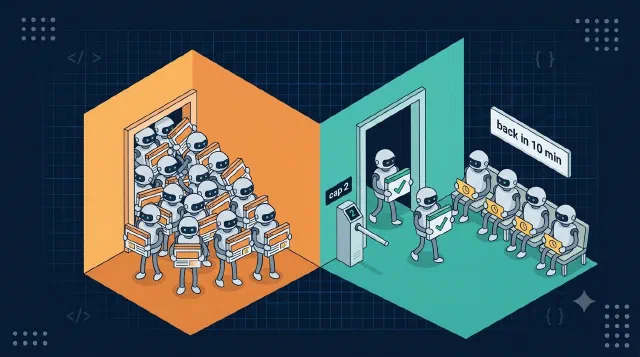
Learn why host.json concurrency limits don't cap running Durable Functions orchestrations, and how a queue-level gate with deferred Service Bus messages does.
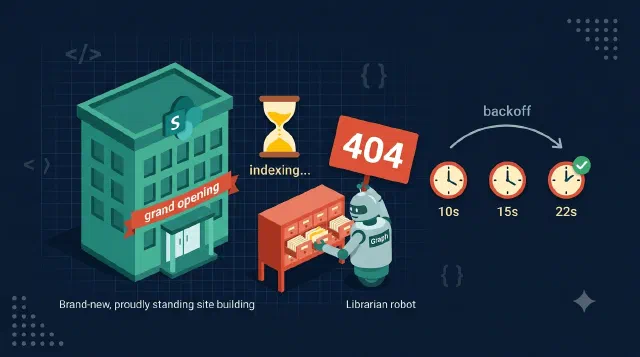
Learn how to handle Microsoft Graph 404s on freshly created SharePoint sites with layered retries instead of one giant retry hammer.
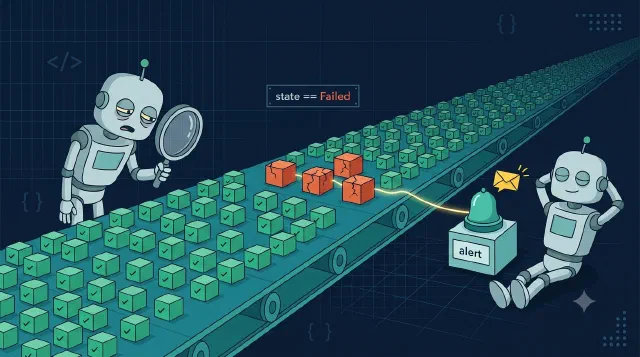
Learn how to get notified about failed Durable Functions orchestrations with a KQL log search alert in Application Insights, instead of writing watchdog code.
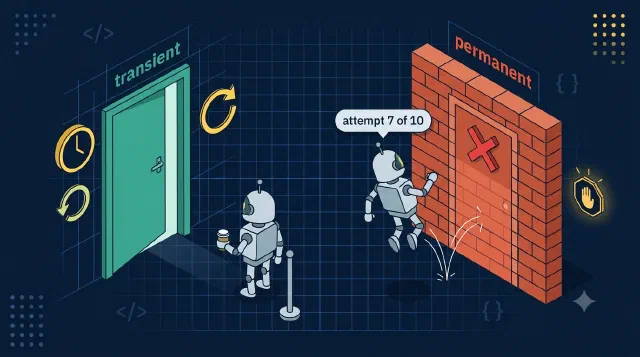
Learn how to build a Durable Functions retry policy based on exception type, so permanent errors short-circuit instead of burning every retry attempt.

Learn how deterministic orchestration instance IDs stop Service Bus redelivery from starting the same Durable Functions provisioning twice.
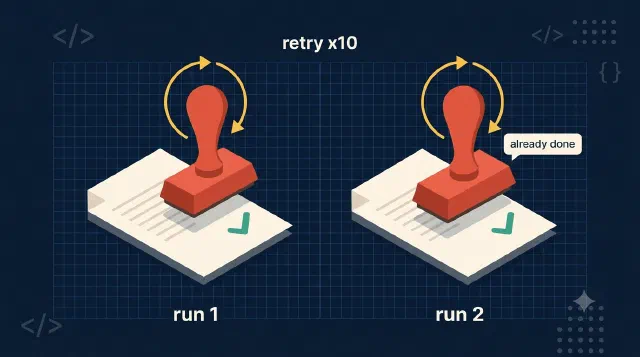
Learn how to make every Durable Functions activity idempotent so retry policies can safely rerun SharePoint and Graph provisioning steps.
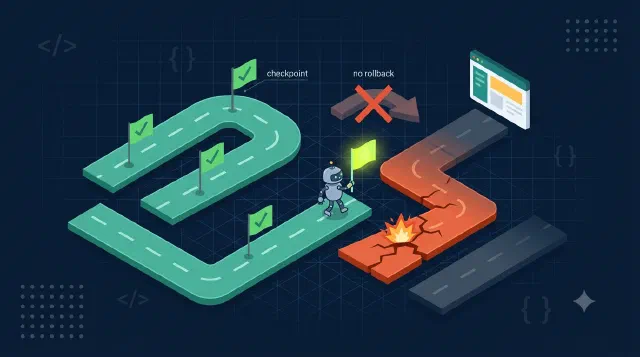
Learn how to checkpoint a Durable Functions orchestration so a failed SharePoint provisioning run resumes where it stopped instead of starting over.
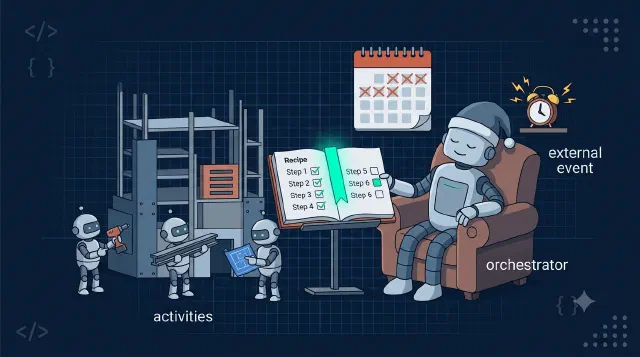
Learn what Azure Durable Functions are and what they can do, using a SharePoint site provisioning workflow as a real-world example.
No posts match — try another search.